Surviving 16,500 Feet Across Spiti and Zanskar
High-altitude rally raiding in the Indian Himalayas represents one of the most brutal tests of human stamina and mechanical durability in international motorsport. The 2026 JK Tyre Rally of Himalayas, staged across the northern frontiers of Himachal Pradesh and Ladakh, took nearly one hundred and thirty competitors through some of the highest motorable corridors in the world. Organized jointly by Himalayan Xtreme Motorsports and Adventure X Fusion Tribe, the four-day cross-country event tested competitors against oxygen-depleted atmospheres, sub-zero winds, and punishing bedrock.
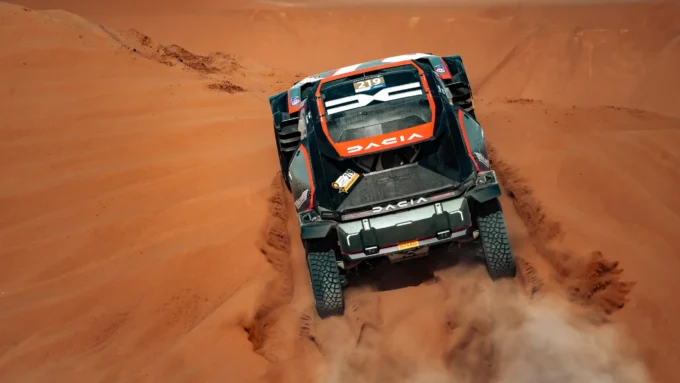
Flagged off from Manali, the sixth edition of the rally ventured into uncharted competitive territory, charting a course through Kaza, Jispa, and Kunzum La before culminating in Padum, within the rugged Zanskar Valley. The four-wheeler Extreme category demanded uncompromising vehicle preparation. Competing in atmospheric conditions where thin air robs naturally aspirated internal combustion engines of more than thirty percent of their nominal power output, drivers navigated sheer vertical drops and river crossings where any mechanical hesitation risked immediate retirement.
The Tactical Charge of Rajiv Yadav and Rohit Gowda
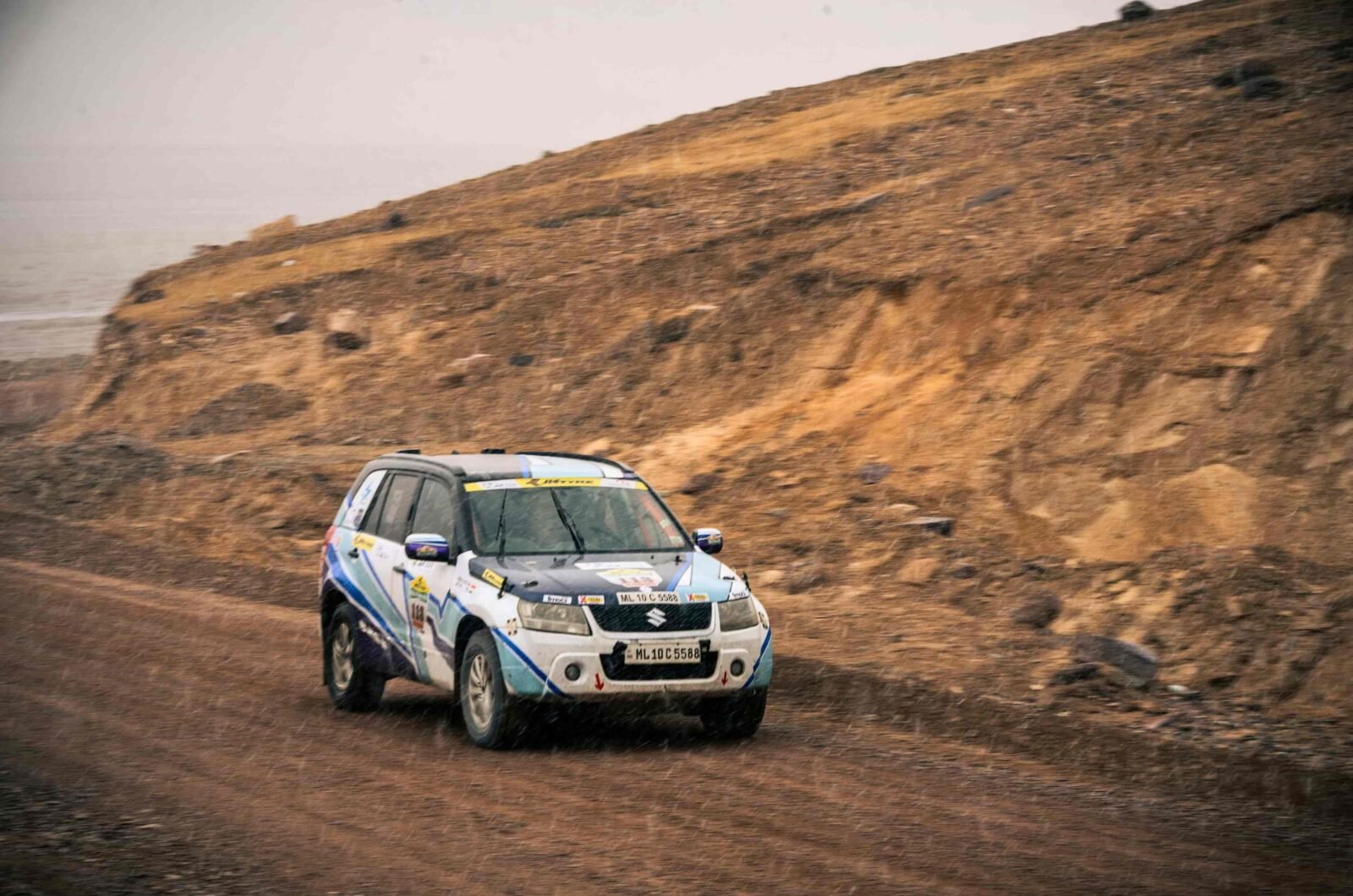
From the initial 72-kilometre gravel stage on Day 1, Rajiv Yadav and co-driver Rohit Gowda asserted their competitive intent aboard their rally-prepared Maruti Gypsy. Yadav established an early lead through the treacherous gravel switchbacks, though local Himachal specialist Aaryak Rana and navigator Aditya Sharma remained within striking distance. When stage organizers ran the same 72-kilometre route in reverse on Day 2, drivers were forced to recalculate their braking points and turn-in trajectories across rapidly degrading road surfaces.
The relentless attrition of the Himalayan terrain took a heavy toll by the end of the second leg. More than a dozen entries in the Extreme category suffered terminal mechanical failures, including former Raid de Himalaya winner Lakhpa Tsering. Amidst the carnage, Yadav and Gowda preserved their chassis, managing damper temperatures over sharp shale rocks. When the route crossed the formidable Shinku La at an elevation exceeding 16,500 feet, Yadav maintained high momentum, resisting a fierce late-rally assault by Daksh Gill, who reached speeds of up to 200 km/h across the flat desert plains of Zanskar. Yadav and Gowda crossed the finish line in Padum to secure the overall Extreme title.
2026 JK Tyre Rally of Himalayas Final Classifications
The official finishing classifications reflect the competitive spread across all three core categories:
| Category Class | Finishing Position | Competitor Name(s) | Vehicle Specification | Stage Time / Penalty Points |
|---|---|---|---|---|
| Extreme (Four-Wheel) | 1 | Rajiv Yadav & Rohit Gowda | Maruti Gypsy 1.3 4WD | Benchmark Extreme Time |
| Extreme (Four-Wheel) | 2 | Aaryak Rana & Aditya Sharma | Maruti Gypsy 1.3 4WD | +04:12.350 |
| Extreme (Four-Wheel) | 3 | Daksh Gill & Virender Kashyap | Maruti Gypsy 1.6 EFI | +07:48.120 |
| Moto (Two-Wheel) | 1 | Dhritimaan Singh | Hero Xpulse 200 4V Rally | Lowest Cumulative Penalty |
| Moto (Two-Wheel) | 2 | Happy Verma | KTM 390 Enduro R | Second Lowest Cumulative |
| Moto (Two-Wheel) | 3 | Nitish Bharadwaj | Kawasaki KLX 450 | Third Lowest Cumulative |
| TSD (Four-Wheel) | 1 | Soham Hazra & Nirav Mehta | Mahindra Thar 4×4 | Minimal Time Penalty |
High-Altitude Engine Tuning and Chassis Resilience
Sustaining competitive speed above 4,000 metres requires sophisticated powertrain calibration. In the thin air of Kunzum Pass, air density drops by nearly thirty-five percent, drastically altering the air-fuel ratio. Fuel-injected engines rely on barometric pressure sensors to decrease fueling rates, while carbureted Gypsys demand manual main jet changes to prevent spark plug fouling from overly rich combustion. Yadav's team recalibrated ignition timing curves to extract maximum torque at lower RPM bands, preventing unnecessary downshifts on steep rock ascents.
Chassis engineering proved equally decisive. The suspension components endured sustained compression impacts over frozen riverbeds and corrugated washboards. Reinforced steering dampers and heavy-duty leaf springs absorbed vertical loads without shearing shackle pins. In the two-wheeler Moto category, Dhritimaan Singh delivered an exemplary ride aboard his Hero Xpulse 200 4V Rally to take the motorcycle title ahead of Happy Verma. The Time-Speed-Distance (TSD) category was clinched by Soham Hazra and Nirav Mehta, capping off four days of exceptional navigation across the trans-Himalayan expanse.
Expanding the Footprint of Indian Rally Raids
The successful inclusion of the Zanskar Valley marks a new era for Indian cross-country rallying. By expanding beyond traditional Spiti loops, event organizers have opened remote high-altitude corridors that rival the most challenging raid routes in South America and North Africa. For Rajiv Yadav and Rohit Gowda, victory at the 2026 Rally of Himalayas cements their status among India's elite off-road competitors, underscoring the enduring appeal of mechanical grit in the roof of the world.
Sources
- Autocar India, "Rajiv Yadav wins 2026 JK Tyre Rally of Himalayas", 1 October 2026
- The Hindu, "Rajiv and Rohit drive to glory in the Rally of Himalayas", 2 October 2026
- JK Tyre Motorsport, "Rally of Himalayas 2026 Official Classification Bulletin", 2 October 2026
Source: Autocar India: Rajiv Yadav wins 2026 JK Tyre Rally of Himalayas