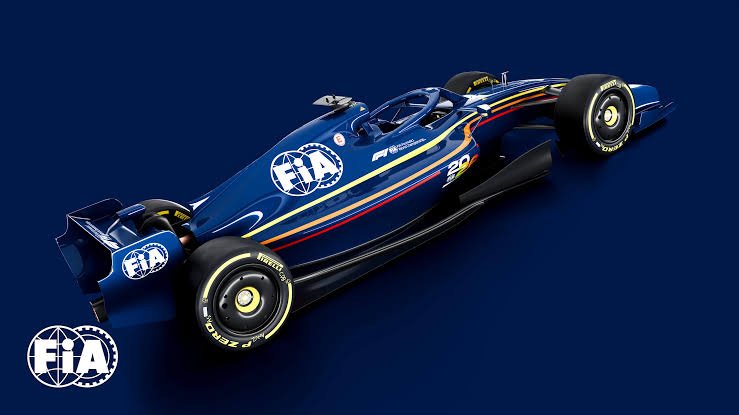
Formula 1’s 2026 technical regulations represent the most profound aerodynamic philosophy shift since the introduction of ground-effect venturi tunnels. To compensate for smaller, lighter cars and a massive 50/50 electrical power split where internal combustion engines produce less straight-line horsepower, the FIA has eliminated the traditional static wing and the one-dimensional Drag Reduction System (DRS).
In its place comes fully integrated "Active Aerodynamics"—a dual-state aerodynamic architecture featuring driver-activated movable front and rear wing elements known officially as "Z-Mode" (High Downforce Mode) and "X-Mode" (Low Drag Mode).
According to official technical disclosures published in the Formula1.com Official Technical Explanation, active aerodynamics allows cars to achieve devastating cornering grip in braking and cornering zones while virtually eliminating parasitic drag on long straightaways.
Formula 1 2026 Active Aerodynamics: Z-Mode vs X-Mode Technical Matrix
| Aerodynamic Attribute | Z-Mode (Cornering & Braking Mode) | X-Mode (Straight-Line Speed Mode) | On-Track Performance Delta |
|---|---|---|---|
| Front Wing Active Elements | Flaps angled high at maximum angle-of-attack | Upper flap elements rotate flat to neutral chord | Shifts aerodynamic center of pressure rearward to balance car |
| Rear Wing Active Elements | Main plane and beam wing fully deployed | Upper rear wing flap rotates open to minimize wake | Massive 55% reduction in overall aerodynamic drag |
| Underfloor Venturi Downforce | 100% ground-effect underfloor suction active | Reduced underfloor pressure delta via ride-height control | Eliminates high-speed bottoming and porpoising down straights |
| Driver Activation Criterion | Default automatic state in all braking & corners | Manually / Automatically deployed on designated straights | Available to all drivers regardless of gap to car ahead |
| Straight-Line Top Speed | ~310 km/h (193 mph) with standard drag | Exceeds 355 km/h (220 mph) with low-drag profile | Over 40 km/h top-speed gain without requiring mega-horsepower |
| Aerodynamic Balance Balance | Balanced front-to-rear downforce (42% Front / 58% Rear) | Synchronized front/rear flap dump prevents snap oversteer | Flaps move in unison to preserve vehicle stability at 300+ km/h |
Why Front and Rear Wings Must Move in Perfect Synchrony
Under previous F1 regulations, DRS only opened the rear wing flap. Because 2022–2025 cars produced immense underfloor downforce, opening only the rear wing did not dangerously destabilize the front axle.
In the 2026 concept, however, aerodynamic drag is reduced so aggressively in X-Mode that opening only the rear wing would cause an immediate, catastrophic aerodynamic imbalance.
If the rear wing dumped 50% of its downforce while the front wing remained at maximum downforce, the center of aerodynamic pressure would violently shift forward, causing the rear tires to break loose in high-speed snaps oversteer at 320 km/h.
To solve this, the 2026 regulations mandate synchronized active flaps:
- Front Wing Active Actuation: Electric actuators rotate the two upper trailing flaps of the front wing downward into a low-drag horizontal profile.
- Rear Wing Active Actuation: In exact millisecond synchrony, the active rear wing flap opens, dumping rear drag simultaneously.
- Instant Failsafe Reversion: The moment the driver touches the brake pedal or turns the steering wheel past a specified threshold, hydraulic return springs snap both front and rear wings back into high-downforce Z-Mode within 0.10 seconds.
Eliminating the "DRS Train"
The most celebrated sporting consequence of active aerodynamics is the eradication of the static "DRS Train." In the current era, when four or five cars run within one second of each other, everyone opens their rear wing, neutralizing overtaking deltas.
In 2026, X-Mode is available to every car on the straight, whether leading or trailing.
Overtaking is instead created by the "Manual Override Mode" (energy deployment boost), which grants the chasing car extended 350 kW electrical battery power up to 337 km/h, while the leading car’s electrical power derates above 290 km/h.
By separating low-drag efficiency (achieved aerodynamically by all cars via X-Mode) from overtaking overspeed (achieved electrically through battery tactics), Formula 1 has engineered an authentic racing model that rewards pure racecraft and mechanical foresight over artificial wing-flapping gimmicks.