When Formula 1 reintroduced ground-effect aerodynamics in 2022, it sparked one of the most violent, painful, and technically bewildering engineering crises in modern Grand Prix history: porpoising.
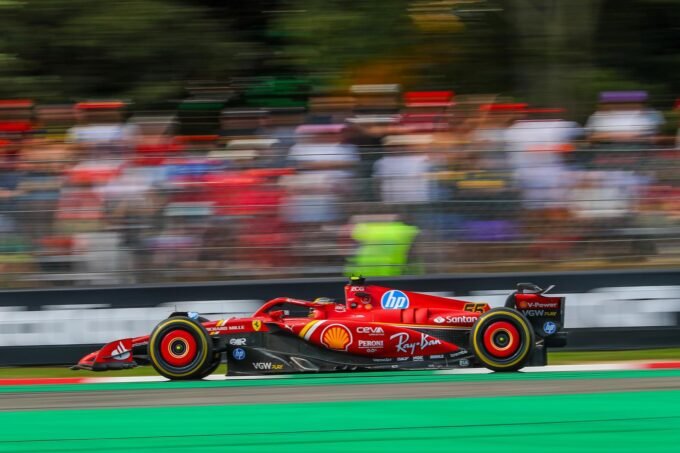
At speeds exceeding 300 km/h down the Baku straight or approaching Turn 1 in Barcelona, multimillion-dollar racecars bounced uncontrollably on their suspensions like pneumatic pogo sticks, leaving drivers with severe spinal bruising and headaches as underfloors repeatedly struck the asphalt.
For four seasons, aerodynamicists engaged in an endless battle of raised floor edges, stiffened stay wires, and optical ride-height sensors to control the aerodynamic phenomenon.
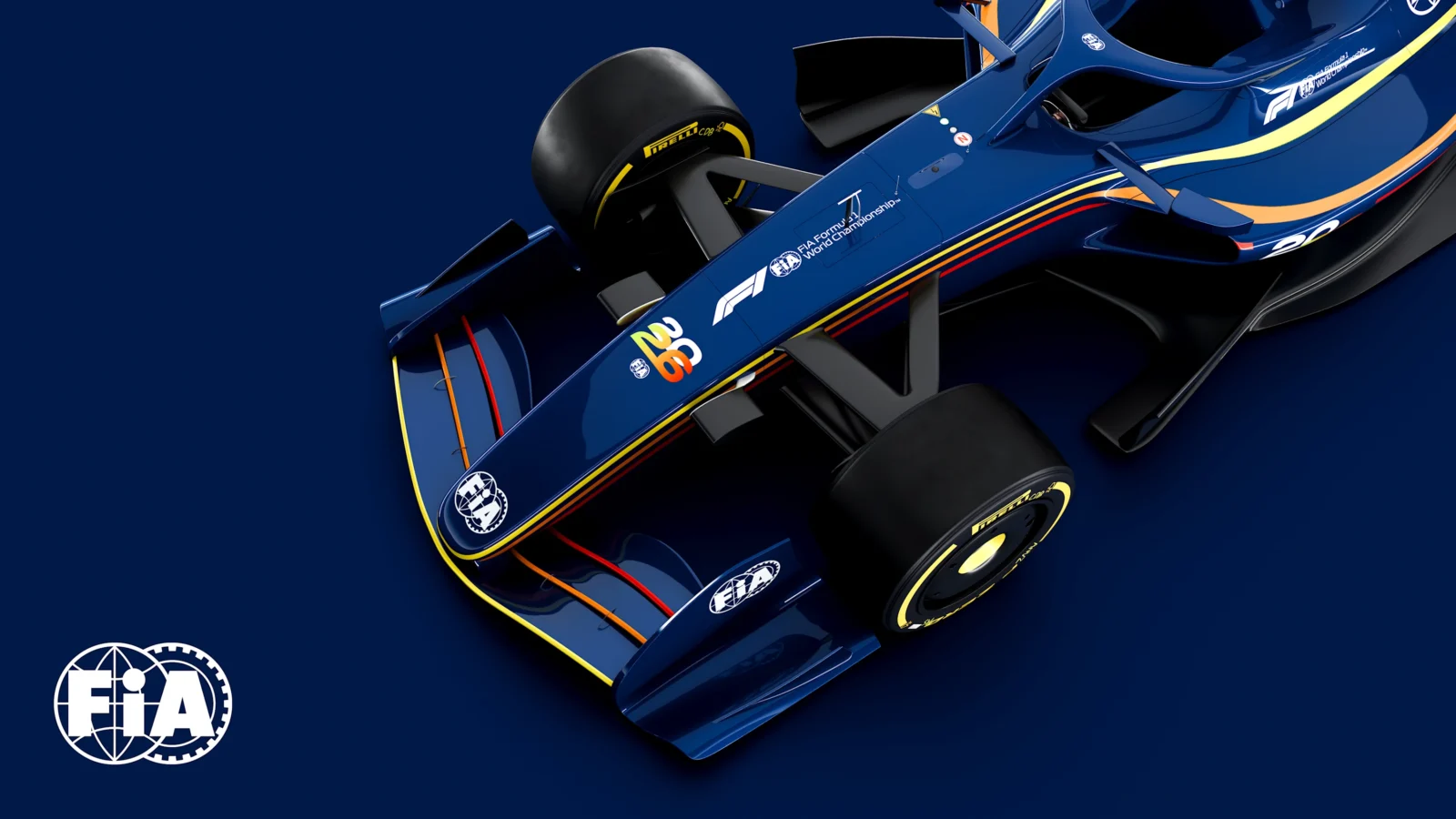
With the arrival of Formula 1’s landmark 2026 technical regulations, the FIA has permanently cured the disease by fundamentally rewriting floor architecture: abandoning the massive, deep venturi underfloor tunnels in favor of a shallower, partially flat floor concept paired with synchronized active aerodynamics.
According to technical blueprints published by Formula1.com Technical Blueprint, the 2026 floor rules eradicate high-speed aerodynamic stalling while producing an unprecedented level of chassis pitch stability.
F1 Aerodynamic Floor Evolution: 2022–2025 vs 2026 Regulations
| Aerodynamic Floor Parameter | 2022–2025 Ground-Effect Regulations | 2026 Revised Aerodynamic Regulations | Dynamic Overtaking & Safety Impact |
|---|---|---|---|
| Underfloor Venturi Depth | Deep 3D contoured venturi tunnels (>150mm depth) | Shallow, partially flat floor (Max 65mm throat) | Drastically reduces peak suction sensitivity to ride height |
| Diffuser Expansion Volume | Massive, towering vertical rear diffuser ramps | Compact, lowered diffuser geometry | Reduces explosive downforce spikes at maximum speed |
| Ride-Height Sensitivity | Hyper-sensitive; 1mm ride height = 150 kg downforce | Low sensitivity; linear, predictable downforce curve | Teams can run softer, compliant mechanical suspensions |
| Porpoising Propensity | Extremely High (Aerodynamic stall at low ride height) | Near Zero (Physically impossible to stall underfloor) | Drivers experience smooth high-speed straight-line stability |
| Leading Edge Floor Frakes | 4 aggressive vertical air-curtain guide vanes | Simplified, standardized floor leading edge strakes | Reduces turbulent outwash wake for following cars |
| Total Underfloor Downforce | Generates ~65% of total car downforce | Generates ~40% of total downforce (Balanced with wings) | Restores mechanical suspension compliance and driver health |
The Physics of Porpoising: The Aerodynamic Stall Cycle
To understand why 2026 fixes the problem, one must understand the fluid mechanics of the aerodynamic stall cycle that plagued the 2022–2025 generation of cars:
- The Suction Buildup: As a ground-effect car accelerates down a straight, massive air velocity through the narrow underfloor venturi throat creates a colossal low-pressure vacuum, pulling the chassis down toward the track.
- The Floor Choke (Aerodynamic Stall): At 310 km/h, the car’s floor edge is sucked so close to the asphalt (under 10 millimeters) that boundary-layer friction and air viscosity effectively choke the airflow. The underfloor tunnels stall instantly, and the downforce vacuum collapses in less than 0.05 seconds.
- The Mechanical Rebound: With downforce gone, the compressed titanium suspension springs violently push the car upward.
- The Endless Cycle: As soon as the car rises, clean airflow re-enters the venturi tunnels, downforce instantly re-attaches, and the car is violently slammed back into the asphalt—repeating at a nauseating frequency of 5 to 7 bounces per second.
The 2026 Solution: Lowering the Aerodynamic Ceiling
The 2026 technical regulations break this cycle by capping the maximum suction potential of the underfloor.
By mandating a much shallower underfloor throat depth (capping venturi height at 65mm) and flattening the central plank geometry:
- The underfloor produces a linear, predictable suction curve that does not skyrocket exponentially as the car lowers.
- Even if the floor skims the asphalt over bumps, the shallow tunnel geometry prevents total boundary-layer detachment, ensuring downforce never drops to zero.
Restoring Mechanical Suspension Compliance
The greatest beneficiary of the 2026 floor rules is driver physical health.
To prevent porpoising in the 2022–2025 era, teams were forced to run rock-solid suspension springs that were virtually welded solid, transmitting every millimeter of curb impact directly into the driver’s spine.
With underfloor stalling engineered out of the regulations, teams can once again run compliant mechanical suspension springs with generous heave travel and softer dampers.
Cars can ride aggressively over kerbs without bottoming out, while drivers can attack chicanes without fearing chronic spinal trauma, ensuring that the 2026 Formula 1 cars are faster, safer, and infinitely more raceable.
Sources
- Formula 1, "2026 Formula 1 Technical Regulations: Aerodynamic Principles and Floor Dimensions", June 6, 2024, https://www.formula1.com/en/latest/article/explained-2026-aerodynamic-regulations-fia-x-mode-z-mode-.26c1CtOzCmN3GfLMywrgb2
- FIA, "FIA World Motor Sport Council Confirms 2026 Formula 1 Technical Regulations", 2024, https://www.fia.com/
- The Race, "How F1's 2026 rules cure porpoising and reshape ground-effect aerodynamics", June 2024, https://the-race.com/formula-1/
Source: Formula1.com: Explained 2026 Aerodynamic Regulations